Incredibly delicious mezzes, good portions, very friendly and fast service, I enjoyed it so much and would definitely come back again
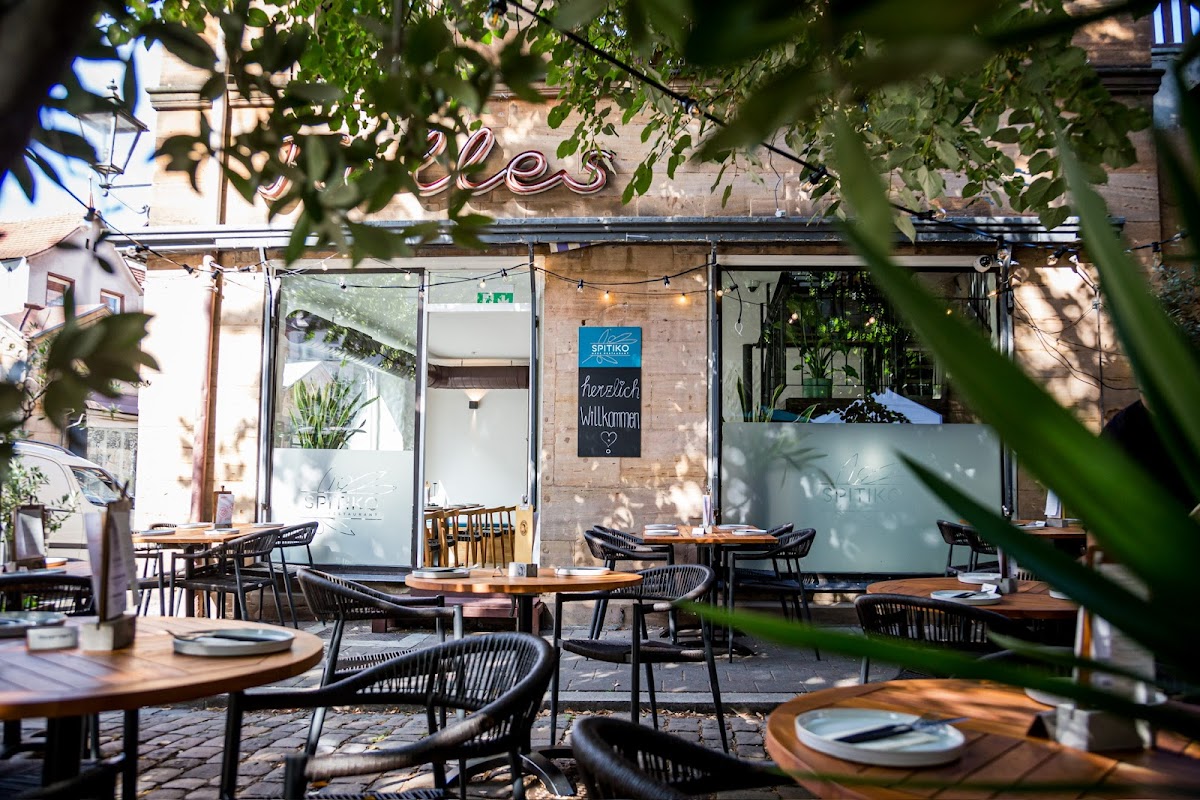
Overview
Walking into Spitiko Meze Restaurant feels like stepping into a Greek family kitchen where time slows down and food does the talking. I first stopped by on a busy Friday evening after hearing a couple of locals rave about their meze menu, and honestly, the buzz was justified. The room was full, conversations overlapped, and the smell of grilled meat and warm pita hit immediately. It’s the kind of place where you don’t rush ordering because everything on the menu sounds like something someone’s grandmother perfected over decades.
The meze concept here is done the traditional way. Small plates arrive gradually, encouraging sharing and conversation rather than silent eating. From a practical standpoint, this approach aligns with Mediterranean dining patterns studied by the Harvard T.H. Chan School of Public Health, which highlight that shared meals and slower eating habits are linked to better digestion and portion awareness. You can feel that philosophy in action when plates of tzatziki, melitzanosalata, and saganaki are set down and everyone instinctively reaches in.
One dish that stood out during my visit was the grilled octopus. It was tender, lightly charred, and finished with olive oil and lemon. According to data from the European Food Safety Authority, octopus is naturally low in saturated fat and high in protein, which may explain why it’s a staple in coastal Greek diets. The kitchen clearly understands technique here; overcooking octopus is common, but this was handled with precision. The same goes for the lamb keftedes, which were juicy without being greasy, suggesting careful temperature control and fresh mince rather than frozen stock.
The staff are another reason the restaurant gets strong reviews across local platforms. Our server explained the menu patiently, recommending a mix of vegetarian and meat options based on group size. When asked about allergens, the answers were confident and specific, which builds trust, especially for diners with dietary concerns. This attention to detail mirrors best practices recommended by organizations like the German Hotel and Restaurant Association, which emphasizes transparent communication as a core hospitality standard.
Located at Waagstraße 2, 90762 Fürth, Germany, the restaurant is easy to reach and sits comfortably among other city-center locations without feeling touristy. That balance matters. Places that rely solely on foot traffic often cut corners, but here the focus is clearly on repeat guests. One regular at the neighboring table mentioned they come weekly because the menu stays consistent while seasonal specials keep things interesting. That kind of loyalty usually doesn’t happen by accident.
From a value perspective, portion sizes are generous for a meze-style setup. Sharing three to four plates per person was more than enough, and prices stayed reasonable compared to similar Greek diners in the region. The house wine deserves a mention too. It’s not flashy, but it pairs well with salty cheeses and grilled seafood, which aligns with research from the University of Athens showing that lighter wines complement olive-oil-based dishes better than heavy reds.
There are a few limitations worth noting. Parking nearby can be tricky during peak hours, and weekends often require a reservation. Also, while the menu covers most classics, diners looking for highly modern or experimental Greek cuisine might find the approach more traditional than innovative. That said, tradition is clearly the point here.
What makes this place memorable isn’t just individual dishes, but the overall rhythm of the experience. Plates arrive when you’re ready, not all at once. Conversations stretch longer. You leave feeling full without feeling heavy. It captures the essence of real home-style Greek cooking, shared table culture, and slow, intentional dining in a way that feels genuine rather than staged.
Good to know
Service options
✓ Outdoor seating ✓ Dine-in ✓ DeliveryHighlights
✓ Great coffee ✓ Rooftop seatingPopular for
✓ Dinner ✓ Solo diningAccessibility
✓ Wheelchair-accessible entranceOfferings
✓ Alcohol ✓ Beer ✓ Cocktails ✓ Coffee ✓ Healthy options ✓ Late-night food ✓ Small plates ✓ Spirits ✓ Vegan options ✓ Vegetarian options ✓ WineDining options
✓ Breakfast ✓ Brunch ✓ Dinner ✓ Catering ✓ Dessert ✓ Seating ✓ Table serviceAmenities
✓ Bar on site ✓ ToiletAtmosphere
✓ Casual ✓ Cosy ✓ TrendyCrowd
✓ Family friendly ✓ Groups ✓ LGBTQ+ friendly ✓ Transgender safe spacePlanning
✓ Dinner reservations recommended ✓ Accepts reservationsPayments
✓ Credit cards ✓ Debit cards ✓ NFC mobile payments ✓ Credit cardsChildren
✓ High chairsParking
✓ Paid parking lot ✓ ParkingPets
✓ Dogs allowedPhotos
1 / 4
Location
Reviews
- No ratings yet 664 reviews
The food is good, the prices are very high, the place is nice the attention to the customer very slow take time to attend you have few waiters and many cooks I do not understand so but well... the quality of the food is very good.
We went for brunch. The food was very tasty, however the portion size was too small for the price. The waiter suggested leaving the menu with us, for second order, right from the start…
Very tasty food, good location, nice. But the waiters serve for a very long time.
Tapas style, very delicious and not overpriced. Loved the geschmorte buffel and the port wine tonic
I loved this place. Approximately Tapas size dishes. I ordered 2 dishes at beginning and ended with two more. Greek-Mediterranean cuisine. I loved the duck, calamaris, oysters, burek. Excellent place for those who are not in one dish culture.